It is essential for both large corporations and small businesses to consider adopting this approach to optimize costs, establish competitive pricing, and improve overall profitability. Process costing is more than just a technique; it functions as a valuable strategic tool, providing businesses with accurate cost data that can enhance profitability and competitiveness. For businesses employing process costing, the products are often homogeneous, which means the products are identical or very alike. At its core, process costing is an accounting method tailored to the manufacturing industry.
Process Costing vs. Job Costing: A Comparative Analysis
The cost is calculated on the basis of the process and not on the basis of the job. Regularly monitoring and adjusting costs such as warehouse rent, wages, and infrastructure is essential for minimizing issues and maximizing profitability. By calculating rent, supplies, software, and other costs, they can better determine project pricing, reducing the likelihood of client pushback.
To ensure that your menu costing is accurate and effective, there are several best practices to follow. A well-crafted menu pricing strategy can make all the difference between a successful and a struggling restaurant, which is why it is essential to understand the principles of menu costing. You can determine areas for optimization, increase profit margins, and set the proper pricing for your items by knowing your manufacturing costs at every stage. Understanding your production costs is only one aspect of production costing; another is figuring out how those costs relate to each link in your supply chain. Using technology to its full potential helps elevate production costing in today’s digitally-first environment. This adjustment provides a more accurate picture of your production costs.
Business
From simplifying process cost to empowering you with insights, we help you focus on what matters most—growing your business. Production costing becomes even more efficient when combined with programs like Bitcommerz, which streamlines processes and positions you for long-term success. For instance, you can confidently establish a pricing that covers costs while keeping a good profit margin if you know how much it costs to produce each cookie box. Production costing is a useful tool for e-commerce bakery operators to make sure they aren’t underpricing their goods.
Labor refers to any wages to employees which relate to a specific aspect of producing products or delivering services. Cotton in clothing and wood in furniture are a few examples of direct materials. Direct materials are directly integrated into a finished product. Apicbase is the most complete F&B management platform for multi-unit restaurants, hotels, ghost kitchens. Create profitable menus and identify opportunities, losers, workhorses and winners among your recipes. Download a ready-made online menu engineering and worksheet with formulas.
Not all industries need it; it’s mostly used by companies that provide customized products or services, like construction firms or repair shops.
PFABC focuses more on the implementation stage by identifying each important activity explicitly and directly mapping the resource costs to the activities.
This helps them see the true cost of providing their services.
A small furniture manufacturing company receives a sales order for 35 wooden tables, expected to be filled in 8 days.
This blog will explore how process costing works, the different methods used, its benefits and challenges, and the role of technology in streamlining the process. Process costing is a method used to track production costs in industries that manufacture large volumes of identical products. This simple example illustrates why accurate costing is so important in business decision-making. This helps to remove over or under applied costs and revise them in accordance with the completed job. During the manufacturing process, each job is assigned a unique production number and will be identified by this number until the job is completed.
Best Business Budgeting Software Tools for 2026
Menu costing also helps restaurants to identify areas for cost savings and optimization, which can help to reduce waste and improve efficiency. Menu costing can be used to improve profitability by identifying areas for cost savings and optimization. By analyzing these trends, restaurants can make informed decisions about menu engineering, pricing, and inventory management. Menu costs should be updated regularly to reflect changes in food costs, labor costs, and market conditions.
Process Costing vs. Other Costing Methods
As a result, it is difficult to anticipate how prepared hospitals are for market changes that could make service-level prices and cost information more important bases of competition.
However, these costing methods have been criticized for failing to account for differences in product/service lines and marketing channels (Velmurugan, 2010), and for producing inaccurate and unrealistic representations of a product or service’s true cost (McKenzie, 1999).
Process costing tracks costs at every production stage, ensuring accurate data for better decisions and efficiency.
Job order costing helps companies see how much they’re using their fixed assets, such as manufacturing equipment.
Direct labor must also include a net upward of costs incurred by the company for benefits, training, retirement funds, overtime, and other factors. Manufacturing overhead is then allocated to the job, usually using a predetermined overhead rate (per labor hours or machine hours). An MRP system tracks the materials and labor for the production of the items. Job costing is widely used in all kinds of companies and industries that do business one specific project at a time. Only if production expenses are correct can the company comfortably measure profitability and production efficiency and assign sustainable profit margins. To flesh out the steps above, here is an example of what job order costing would look like if you were running a custom t-shirt company.
Learn More About Business Software
To accurately estimate overhead per job upfront, there must be a good production plan or capacity plan for the future. Many vendors have a minimum order quantity or offer tiered pricing on raw materials and components, so the cost per material can vary depending on whether it’s from a bulk order or was procured separately for the job. However, indirect material costs must also be tallied to ensure accurate costing.
Users at HQ and on the floor have everything they need to manage food costs in one place. Managing recipe costs is essential for maintaining a healthy bottom line in the culinary industry. The recipe costing formula is a simple sum.
Simplify Process Costing with HashMicro’s Accounting Software
Direct labor is the cost of the employees who what is process costing what it is and why its important are directly involved in the product’s production process. The material cost is the cost incurred for purchasing materials that are essential for the manufacturing process. Job order costing helps companies see how much they’re using their fixed assets, such as manufacturing equipment.
Labor costs are a key component when calculating job costing. Job costing involves adding a specific project’s labor, material, and overhead costs. When done correctly, job costing can greatly benefit your business. Tracking all these expenses is difficult, so an effective method like job costing is essential.
Knowing the true cost of recipes will make you many friends in the finance team. If you know how many servings of each menu item a restaurant has sold in a given period, you immediately know how much the stock has dropped and the corresponding value of the ingredients. When effectively calculating recipes, you need to know how much of each ingredient is required to prepare one serving and convert the quantity to the cost per ingredient per dish. A menu is the first thing customers see when looking for information about a restaurant. Costing out a recipe involves itemising the expenses of every element, from main ingredients and seasoning to garnishes and takeaway packaging.
What is the purpose of cost accounting?
Time-driven ABC uses a single activity measure and this single cost-time relationship may not represent the actual cause-effect behavior of the costs (Namazi, 2009). Time-driven activity based costing is simpler to implement than ABC and it integrates well with available data from electronic resource planning systems. Activity based costing systems can become outdated very quickly if the assumptions regarding the cost drivers are not updated to reflect organizational changes.
Organizational and environmental factors specific to the hospital industry may also make the cost of implementing sophisticated cost accounting systems prohibitively high, reducing the likelihood of adoption. Under these pricing processes the benefits hospitals realize by implementing systems that provide detailed cost information are relatively modest. The scant evidence available suggests that for most hospitals, cost accounting capabilities are rather limited.
Different locations, varied billing practices, and multiple teams make it hard to maintain consistent financial records. We optimize law firm financial management by providing an integrated solution that transforms legal billing from start to finish. Our financially focused workflow connects time tracking, invoicing, payment collection, and accounting—precisely tailored to meet the unique financial needs of law firms. You don’t necessarily need accounting software or a professional bookkeeper to handle your law firm bookkeeping. When you’re just starting out, you can keep costs low by recording all income and expenses in a spreadsheet, like our Excel Income Statement Template.
Stop Losing Money: The 7 Most Costly Bookkeeping Mistakes for Law Firms
Retention periods for law firm records can vary depending on local regulations and the specific nature of the documents. This includes client ledgers, retainer agreements, expense receipts, bank statements, and tax-related documents. https://ranawaxman.com/the-importance-of-expert-bookkeeping-for-law-firms/ Every business expense incurred by the firm, whether it’s office supplies, travel costs, court filing fees, or continuing education expenses, must be documented with receipts. These transaction records are required for tax purposes and to ensure transparency in billing clients.
Our team is ready to learn about your business and guide you to the right solution.
At Meru Accounting, we understand the financial needs of multi-office law firms.
If you want accurate trust records, smooth compliance, and better control over client funds, our law firm trust accounting service is designed just for you.
Then, your accountant analyzes this data to identify slow-paying clients and recommend better billing policies.
Faster Financial Close
Trust in professional trust accounting for law firms comes from accuracy, transparency, and consistent results.
When combined with the best real estate brokerage software, it provides clear financial visibility and better daily property management.
GGI and its member firms are legally distinct and separate entities.
With secure cloud systems and integrated platforms, our virtual trust accounting for law firms keeps data safe and accessible.
It can help you manage bill pay, track vendor payments, and maintain cash flow.
For a complete breakdown of monthly deliverables, see law firm bookkeeping reports every managing partner needs.
This trust is built on consistent processes, specialized software, and dependable support. Managing a law firm today is not just about winning cases or advising clients. It is also about keeping every client trust account accurate, compliant, and audit ready.
An expense tracking tool can help automate this process so you never miss a deductible expense.
North Carolina estate accountings are part of the estate file maintained by the Clerk of Superior Court.
It’s important to remember that a standard payment processor will keep a certain percentage of each transaction as a fee.
As an attorney, you may be aware of state bar requirements for trust accounts, but that doesn’t prevent you make mistakes.
Law firms need accuracy, transparency, and compliance in managing client funds.
Handling client funds is a significant responsibility, and you must remember a large number of rules to conduct your role ethically and responsibly.
Regulatory compliance
If you’re an attorney, you’ll probably set your firm up as a Limited Liability Partnership (LLP). Unless you elect to be taxed as a corporation, your LLP will be taxed like any other partnership. Return of Partnership Income, and Schedule K-1, which shows each member’s share of the profit/loss for that tax year. Your business may also be required to pay state taxes in both your home state (where your business is registered) and in any states where your business has nexus. For a CPA to work effectively, they will need you to provide accurate, up-to-date financial statements. Whether you’re good with numbers and spreadsheets or not, every lawyer needs to understand Bookkeeping for Law Firms the basic role that bookkeeping plays in their business.
iTop VPN Review: A Simple Way to Stay Private Online
A merged organisation presents a higher risk environment due to control gaps and unfamiliar personnel. Firms must implement unified internal controls immediately to prevent fraud and maintain compliance in the newly merged environment. The goal here is the creation of a single unified financial ledger that accurately represents the combined entity’s finances. For the new, combined firm, internal transparency is crucial to secure partner and employee buy-in.
QuickBooks helps small businesses manage finances with automated cash flow analysis cash flow analysis reports. Explore how QuickBooks’ cash flow management tools can help you forecast the money you’ll have coming in and going Foreign Currency Translation out of your business. Every transaction involving cash inflows and outflows is recorded in the cash flow statement in your financial report. In the financing segment of your cash flow statement, you will find loans received and repaid, which could have a positive or negative cash flow effect. This could be positive when you receive a new credit line or negative when you pay off an existing loan.
Strategies for Effective Cash Flow Management
Knowing when and where money flows into your business and how it leaves is crucial for making informed financial decisions. In this article, we’ll break down cash inflow and outflow, their sources, how they impact your business, and why balancing cash flow is critical for long-term success. Cash flow management is vital because it ensures a business has https://keepthemovement.com/what-is-annual-income-and-how-to-calculate-it-self/ enough liquidity to cover daily operations, meet financial obligations, and invest in growth. Poor cash flow management is responsible for the failure of approximately 80% of small businesses, making it a critical skill for long-term success.
Factors Influencing Cash Inflow and Outflow
Cash inflow and outflow are two sides of the same coin, but understanding how they differ is essential for managing your finances wisely. While inflow brings money into your business, outflow shows where it’s being spent. Keeping the right balance between the two is key to staying financially stable.
Tools and Techniques for Cash Flow Forecasting
Consistent record-keeping and clear labeling practices reduce mistakes, leading to reliable cash flow statements and a more accurate financial overview. Creating an accurate cash flow estimation is a difficult task, as it requires making assumptions and predictions about future events. Financing cash flow tells investors how effective a company is at raising or borrowing money. You can then reinvest these funds into further financing activities or back into operations to fund your business’s growth.
It ensures the survival of the business
Monitoring and reviewing cash flow helps businesses in financial planning, coping with necessary expenses, and preparing for future quarters and economic downturns. Though established corporations have more financial freedom, they have a greater cash inflow vs outflow responsibility to create value for their shareholders and maximise their equity. So, they need to consider opportunity costs and study reports from various departments before making cash outflow decisions or approving expenses.
Impact on Valuation
It is a key indicator used to assess the capacity for future spending by your business. If you’re worried you’ll lose clients with a price increase, you can experiment with it. For example, you can sell products for higher prices to new customers and retain the price for your returning and loyal customers. It’s always good for a business to take on long-term projects with big payouts. But when a project is spread over a long period of time, the more difficult it is to pay bills to enable the project to continue.
Managing payments manually led to missed discounts and occasional late fees, reducing profitability.
By incorporating seasonality, market trends, and known obligations, forecasts become more reliable.
Compare at least 2 consecutive periods to see any upward or downward trend.
It is important for business owners to carefully evaluate the potential return on investment and ensure that expenditures align with long-term business goals.
These tools allow managers to simulate various scenarios and understand their impact on cash flow.
Small business loans — big opportunities for growth
This doesn’t give you a complete picture of where your money is going—what percentage of your profit you’re apportioning to each item.
See how AI-powered collaboration helps finance teams align faster and drive clarity, ownership, and action across the business.
Additionally, focus on negotiating favorable payment terms to retain cash for longer in the business.
Understanding cash inflow vs outflow is essential for keeping a company financially stable, covering expenses, and planning for growth.
Adoption of new technologies can improve operational efficiencies and open new revenue streams, influencing both cash inflow and outflow.
Understanding the Importance of Performance Measurement In today’s fast-paced and competitive… After running a Two-Way ANOVA test, the next step is to analyze the data more deeply to understand… Fixed income securities are a cornerstone of diversified investment portfolios, offering a… In our December 2024 DSCR loan update, we share insights on credit spreads, Fed rate cut and DSCR loan interest rate predictions. A few minutes of recordkeeping brings valuable insights into your business finances.
Investing cash flow can be positive or negative, depending on whether a company is investing more cash than it is receiving from the sale of assets. Having a strong grasp of cash flow is essential for running a successful business. Understanding the differences between cash inflow and cash outflow, and how to manage both effectively, is critical for managing your business finances with confidence. Business cash flow can be improved by negotiating with your suppliers.
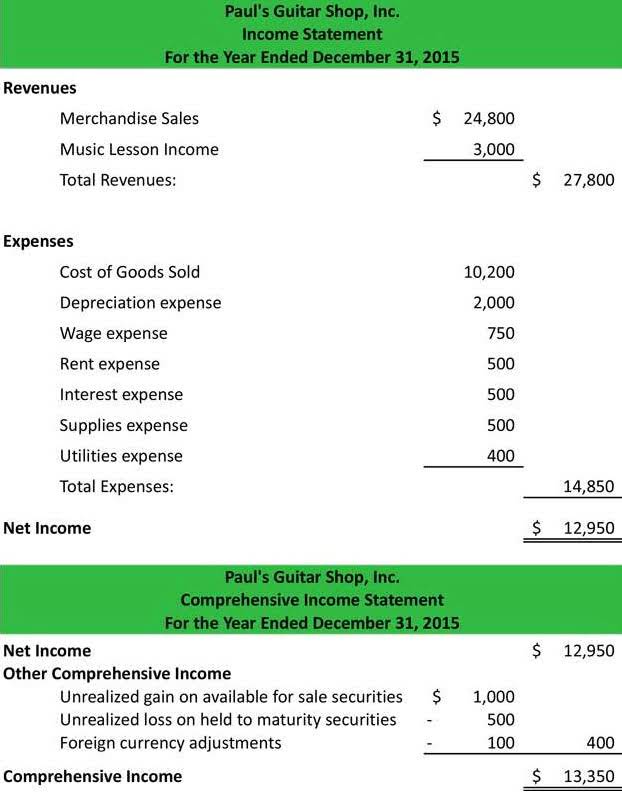
Either way, it’s critical to have an accurate balance sheet and income statements. A business entity can create more comprehensive bookkeeping system when it includes accounts for each area of financial transactions. Financial accounts are grouped or categorized based on the nature of accounts or impact on the financial statements. This usually includes balance sheet accounts and income statement accounts. When it’s finally time to audit all reported financial transactions, bookkeepers produce reports that provide an accurate look into how the company delegated its capital. The two key reports that bookkeepers provide are the balance sheet and the income statement.
Free Course: Understanding Financial Statements
Cash basis accounting focuses on the movement of cash in and out of the company—transactions are only recorded when cash changes hands. For instance, you’ll record income when a customer pays you and expenses when you pay your bills. The articles and related content at Sage Advice, available at /en-ca/blog (“Content”), are owned by The Sage Group plc or its licensors (“Sage”).
🎓 Unlock Core Accounting Skills for Financial Analysts!
They help make sure money flows smoothly and that your business pays bills and vendors on time. Becoming an accountant usually requires more training and education than bookkeeping and can be a good next step in your financial career. According to the US Bureau of Labor https://www.karbobrospools.com/complete-info-about-opening-balance-equity-in/ Statistics (BLS), the estimated median annual salary for bookkeepers in the US is $49,210 1. It’s possible to earn more money depending on the industry in which you work.
How do I know if my transactions match in double-entry bookkeeping?
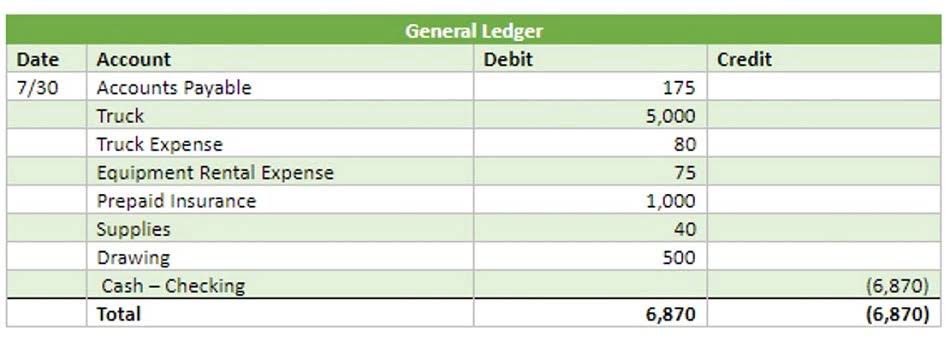
If something doesn’t line up, they figure out why—maybe there was a bank error or missed transaction—and fix the company’s books. This means recording debits and credits and organizing these transactions according to the company’s chart of accounts. Not only are you entrusting your bookkeeper with sensitive data, you are relying on their accuracy to maintain the financial records for your business. A good bookkeeper never cuts corners, and they are indispensable to small business owners who want to spend time growing their business, instead of maintaining it. Whenever your small business pays a supplier for goods or services, your bookkeeper should record the payment to reduce accounts payable (the money you owe). This entry should include the payment date, amount, and supplier details, ensuring your records show up-to-date liabilities and cash flow.
Bookkeeping for tax time
Overhauling all at once can be overwhelming and discouraging, so it’s best to take it slow and make meaningful and intentional shifts. It’s ideal for enterprises with accrued expenses, or expenditures entered into the bookkeeping system on the purchase date rather than payment date. SNHU’s undergraduate accounting certificate is another option if you’re looking to build your basic general accounting and taxation skills. This six-course certificate features topics like «Financial Accounting» and «Federal Taxation.» Just one employee sat in an Afghan-owned tax and bookkeeping business that was typically buzzing with clients.
Just as you may keep track of personal expenses and income to manage your budget, businesses rely on bookkeeping to monitor their financial health and plan for the future. There are professional associations that can provide bookkeeping training and certification. Bookkeepers have to be BAS Retained Earnings on Balance Sheet certified before they can lodge tax returns. All in all, bookkeeping simply means tracking your business’s expenses and income.
Bookkeeping is the process of tracking and recording a business’s financial transactions. These business activities are recorded based on the company’s accounting principles and supporting documentation. Bookkeeping involves the recording, on a regular basis, of a company’s financial transactions. With proper bookkeeping, companies are able to track all information on their books to make key operating, investing, and financing decisions. Whether it’s updating your books or keeping in contact with your tax advisor, maintain your business’s financial records and business expenses.
With actionable insights into all aspects of running a small business, FreshBooks helps you thrive.
The accrual method is more complex, but it provides a more accurate picture of your financial position.
When a small business issues an invoice to a customer for goods or services, it records the invoice as accounts receivable.
Set reminders for all of the key dates you’ll need throughout the year.
Whether you’ve started a small business or are self-employed, bring your work to life with our helpful advice, tips and strategies.
A bookkeeper can review your transactions once a week, for example, while the accounting firm provides expert guidance in preparing your taxes and formulating your financial strategy.
Over time, bookkeeping has evolved from paper-based records to advanced digital platforms. Choosing the right system depends on the size of your bookkeeping meaning business, transaction volume, and budget. Understanding the different bookkeeping systems helps you decide what works best for your needs.
“Accounting is the backbone of every business,» he said. «And bookkeeping isn’t going anywhere anytime soon.» Find out what bookkeepers do, and get an intro to double-entry bookkeeping. Accounting refers to the analysis, reporting and summarising of the data that bookkeepers gather. Bookkeeping became a recognised profession in the UK and US in the 1800s. This is the perfect choice for people who work as freelancers or run a one-person shop.
Many people who work in this field will go on to work in advisory and analytical roles rather than clerical ones.
Becoming an accountant usually requires more training and education than bookkeeping and can be a good next step in your financial career.
Bookkeeping creates a clear picture of income, expenses, and overall cash flow.
When his head’s not in novels, you can find him outside dreaming up his own stories.
An accountant usually generates the trial balance to see where your business stands and how well your books are balanced.
So, what does a bookkeeper do all day?
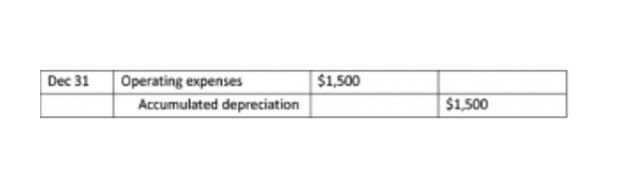
Recording the transaction twice (hence the name ‘double-entry’) allows your bookkeeping to show both sides of this exchange. The most important thing you need is a core understanding of the accounting practices described above. If you’d like to become a bookkeeper, consider earning a bookkeeping certificate and then volunteering to keep the books for small, local charities or causes to gain experience.